Introductory Physics II Course Learning Objectives
and why they matter.
Welcome to our algebra-based physics course on electricity, magnetism, light, and optics. Here are the key things you’ll learn in this course and why they’re important.
Upon completion of this course students will:
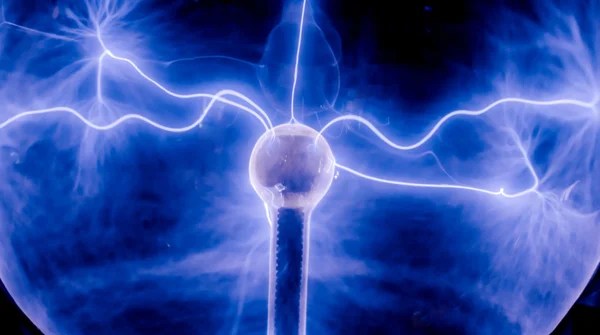
1. Calculate the electric force between charged particles using Coulomb’s Law, and predict how charge interactions influence biological systems such as membrane potentials or molecular binding.
Why it matters: Electric forces govern how charged particles interact in biological systems—from the structure of DNA and proteins to the function of nerves and muscle cells. Understanding these forces helps explain key physiological processes, including how ions behave across cell membranes.

2. Determine the electric field and electric potential in simple charge configurations, and explain how these concepts relate to ion movement and voltage differences across cell membranes.
Why it matters: Electric fields and potential differences are essential for understanding how cells generate and use electrical signals. This objective connects directly to nerve impulses, cardiac rhythms, and other bioelectric phenomena.

3. Measure and interpret electric current, voltage, and resistance in simple circuits, and apply Ohm’s Law to explain electrical properties of tissues and medical diagnostic tools like ECG and EMG.
Why it matters: Tools like electrocardiograms (ECGs) and electromyograms (EMGs) rely on electrical properties of the body. Learning how current and voltage behave in circuits gives students the foundation to understand and interpret these diagnostic technologies.
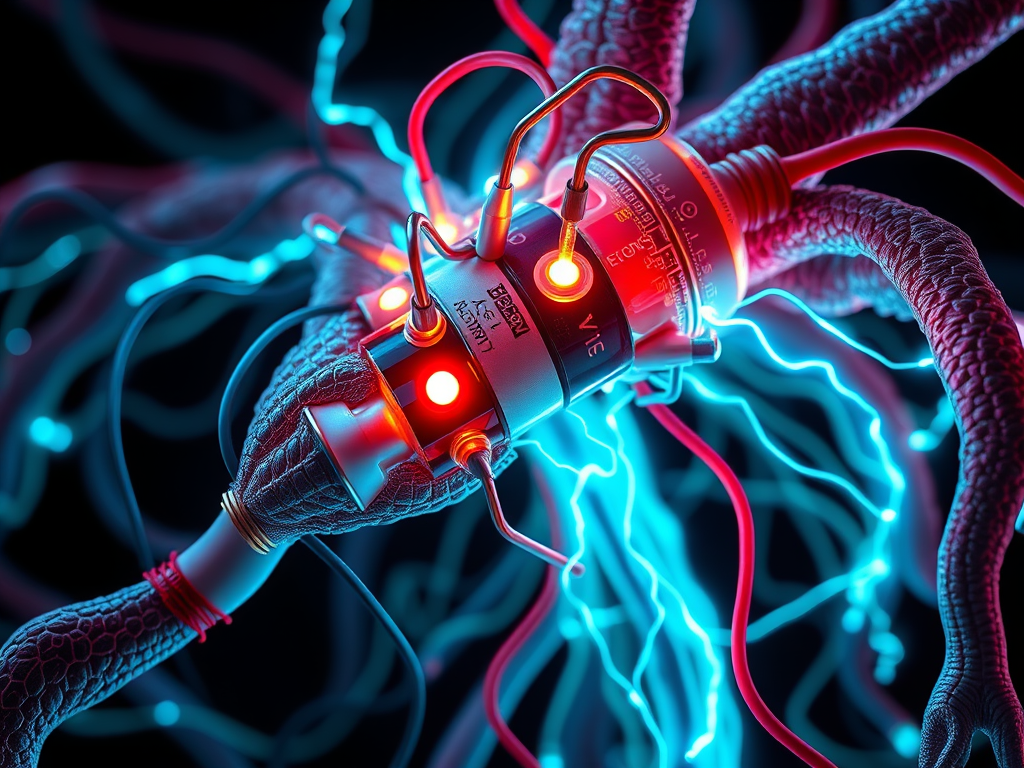
4. Construct and analyze DC circuits containing batteries, resistors, and capacitors, and relate these circuits to models of bioelectric activity and physiological measurements.
Why it matters: DC circuits are often used to model electrical activity in the body. Being able to build and analyze these circuits helps students understand how medical devices work and how electrical signals propagate in biological tissues.
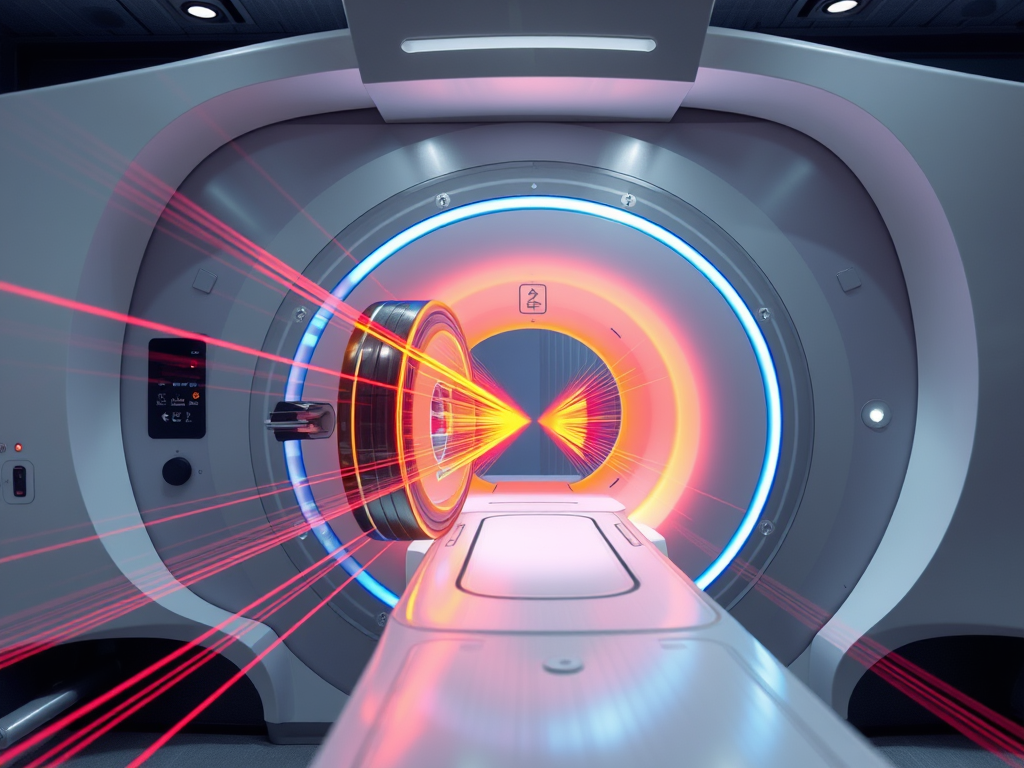
5. Describe and predict magnetic forces on moving charges and current-carrying wires, and explain how magnetic fields interact with biological materials and imaging technologies like MRI.
Why it matters: Magnetic fields play a central role in advanced diagnostic imaging such as Magnetic Resonance Imaging (MRI). Understanding magnetism allows students to grasp how these technologies visualize internal structures noninvasively.

6. Use Faraday’s Law to calculate induced voltage in changing magnetic fields, and analyze how electromagnetic induction is applied in devices like nerve stimulators and defibrillators.
Why it matters: Induction is the key principle behind many life-saving technologies. Whether it’s a defibrillator restarting a heart or a stimulator helping a paralyzed limb move, understanding induction helps explain how these devices support human health.

7. Identify the characteristics of electromagnetic waves (wavelength, frequency, speed), and evaluate how different parts of the spectrum (UV, infrared, X-rays) interact with biological tissues.
Why it matters: Electromagnetic radiation affects the body in many ways—from sunlight and vitamin D synthesis to the risks of X-ray exposure. Students benefit from knowing how light and radiation interact with tissues in both harmful and beneficial ways.

8. Use ray diagrams and lens equations to solve problems in geometric optics, and apply these concepts to understand vision, eye correction, and optical instruments in biology and kinesiology.
Why it matters: Vision is critical to biology and kinesiology work, and understanding how lenses work explains both natural vision and medical corrections like glasses and contact lenses. It also supports understanding microscopes and other lab tools.

9. Analyze interference and diffraction patterns using wave optics principles, and describe how these phenomena are used in microscopy and medical imaging techniques.
Why it matters: Wave optics is essential for understanding how microscopes and imaging systems achieve high resolution. Mastering these ideas helps students interpret fine structures in cells and tissues more accurately in lab and clinical contexts.
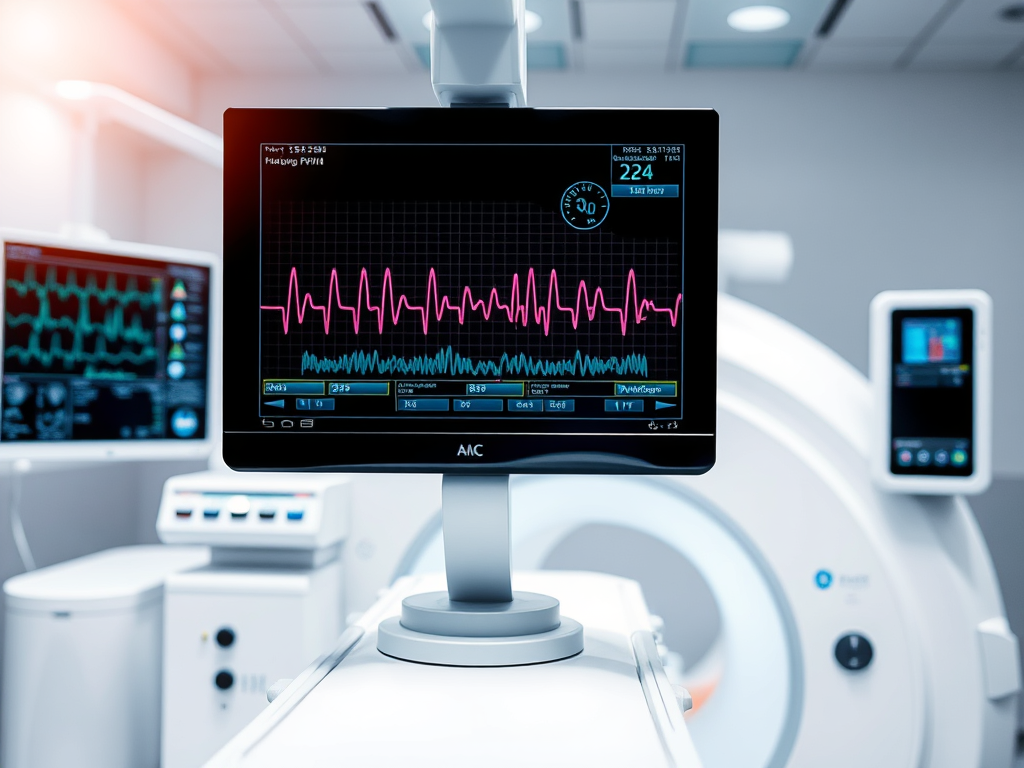
10. Apply physics principles and quantitative reasoning to analyze the function of real-world biological and medical technologies, such as ECGs, MRIs, optical instruments, and nerve stimulators.
Why it matters: Understanding how physics applies to real technologies gives students tools to interpret how devices work, why they’re used in medicine and research, and how to evaluate their effectiveness. This prepares students for deeper engagement with diagnostic tools, lab techniques, and evidence-based healthcare.
In this course, you will build a foundational understanding of electricity, magnetism, electromagnetic waves, and optics, with an emphasis on concepts relevant to the life sciences. You will develop skills in quantitative reasoning, problem-solving, and applying physics principles to biological systems and real-world technologies. By connecting physics to topics in biology and healthcare, you will gain a deeper appreciation for how physical principles underlie many processes and tools used in the life sciences.
 Physics Education Research at UNG